
Let’s talk about protein. How to increase protein intake at each meal
Why Protein Is Essential in Midlife
If you’ve reached midlife, you’ve likely noticed changes in your body.
Metabolism slows down, muscle mass naturally decreases, and your nutritional needs evolve.
One nutrient becomes especially important during this phase: protein.
Protein plays a key role in:
Maintaining lean muscle mass
Supporting bone health
Boosting metabolism
Promoting energy and overall well-being
However, getting enough protein at each meal can be challenging—especially with a busy lifestyle.
How Much Protein Do You Need?
These are some of the most common questions I hear:
How much protein is enough?
What are the best protein sources?
Can I get enough protein on a vegetarian or vegan diet?
As a general guideline:
Aim for 1.2g to 2g of protein per kg of body weight daily
Example: if you weigh 55kg → aim for at least 66g of protein per day
Target 20–30g of protein per meal
Your needs may be higher if you are physically active.
Best Protein Sources (Including Plant-Based Options)
High-quality protein sources include:
Lean meats and poultry
Fish and seafood
Eggs
Legumes (beans, lentils, chickpeas)
Whole grains
Plant-Based Diets
If you follow a vegetarian or vegan diet:
Combine protein sources (e.g. legumes + grains) to get all essential amino acids
Include a variety of plant foods throughout the day
Consider vitamin B12 supplementation, as it is not naturally present in plant foods
How to Increase Protein Intake at Each Meal
Here are simple, practical ways to boost your protein intake throughout the day.
1. Start with a High-Protein Breakfast
Many breakfasts are carb-heavy and low in protein. A protein-rich breakfast helps stabilise energy and reduce cravings.
Ideas:
Eggs with vegetables (spinach, peppers, tomatoes)
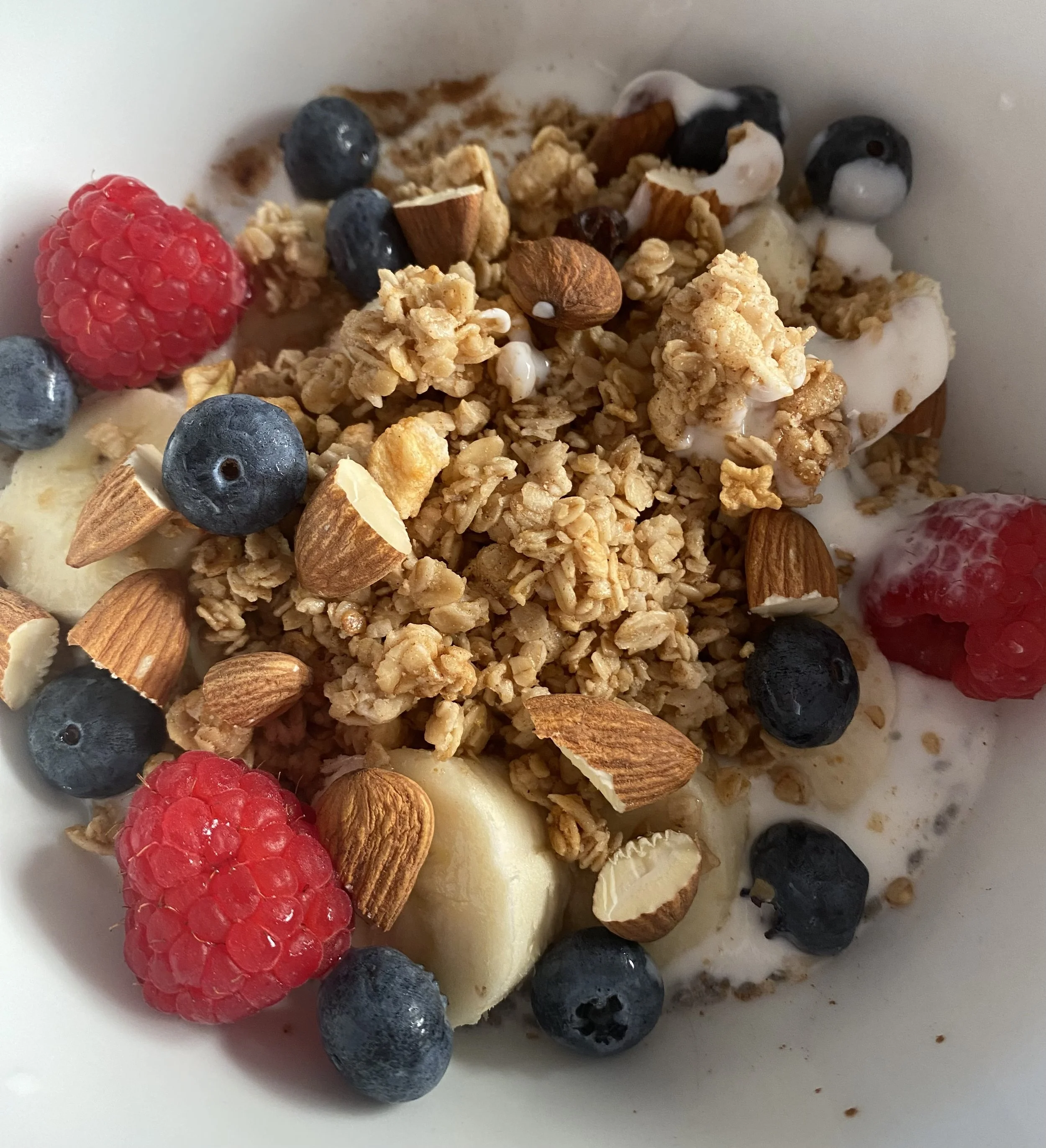
Greek yogurt with berries, nuts, and seeds
Protein smoothie (whey, pea, or hemp protein + fruit + greens)
Cottage cheese with fruit or avocado
2. Snack Wisely
Snacks are a great way to increase protein and maintain steady energy levels.
High-protein snacks:
Nuts and seeds (also rich in magnesium and calcium)
Edamame (also a source of phytoestrogens for menopause support)
Hard-boiled eggs
Hummus with raw vegetables
3. Add Protein to Lunch
Salads are healthy—but often low in protein. Add protein-rich toppings to make them more balanced and satisfying.
Protein additions:
Grilled chicken or turkey
Tuna or salmon (rich in omega-3)
Tofu or tempeh
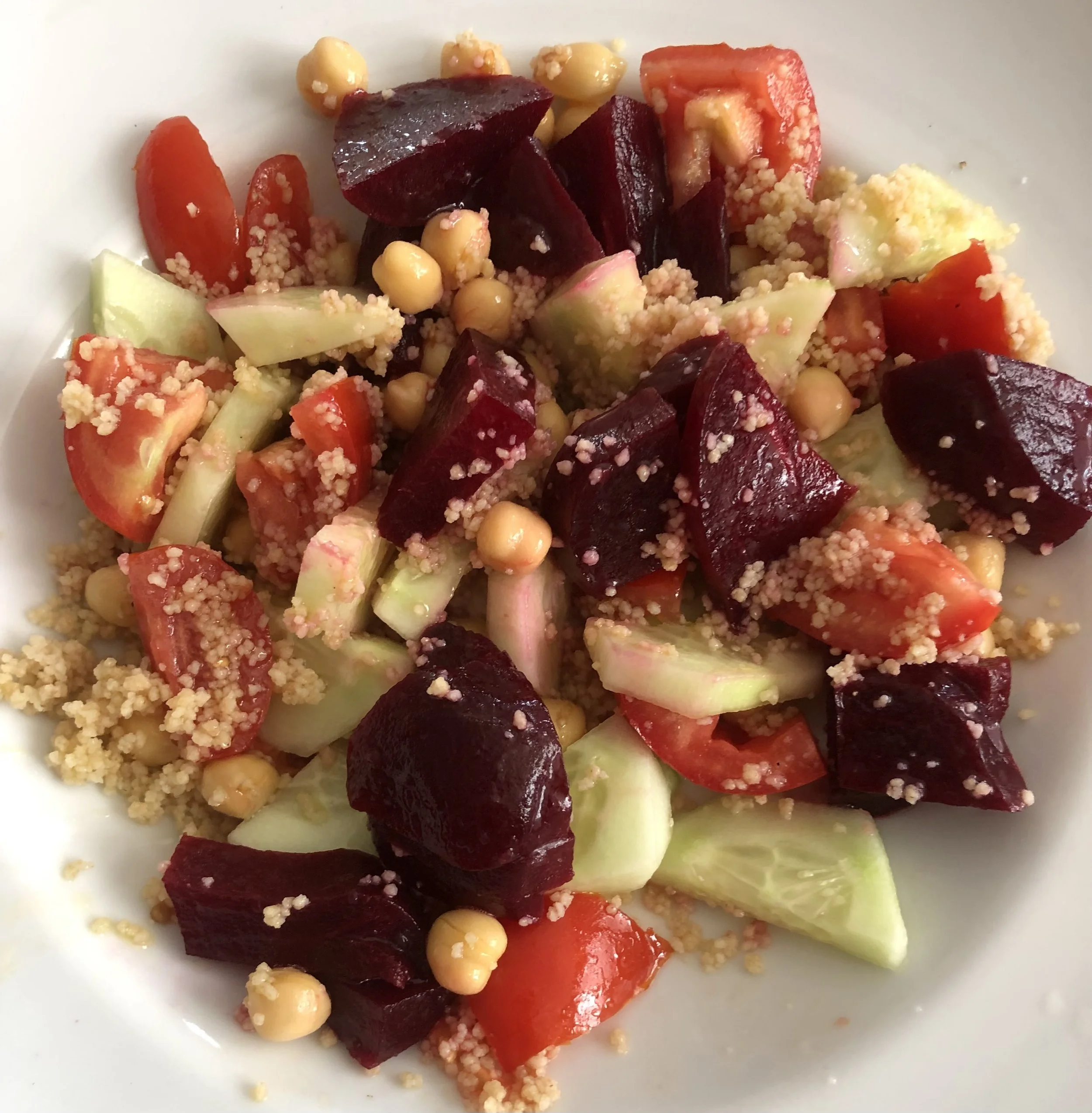
Chickpeas or lentils
4. Prioritise Protein at Dinner
Dinner is a key opportunity to meet your daily protein needs.
Aim for balance rather than heavy meals—especially in midlife, when hormonal balance and digestion are important.
Dinner protein options:
Fish and seafood (salmon, sardines, trout, shrimp)
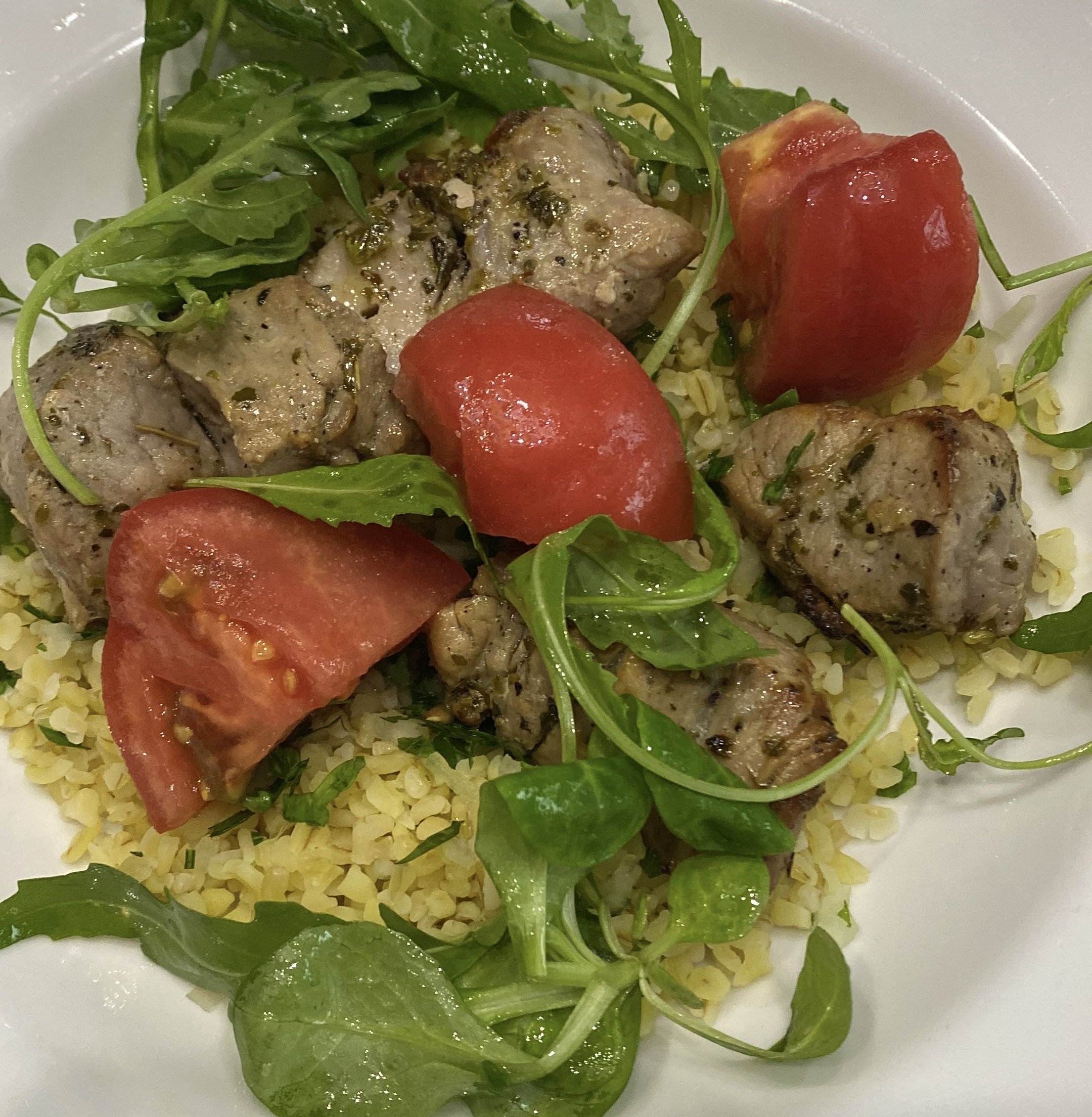
Lean meats (chicken, turkey, lean beef)
Plant-based proteins (lentils, beans, quinoa)
Protein-rich pasta (chickpea or lentil-based)
5. Add Protein-Rich Side Dishes
Side dishes are often overlooked but can significantly boost your protein intake.
Options:
Quinoa (a complete protein)
Beans and lentils
Greek yogurt or cottage cheese
6. Boost Protein in Soups and Stews
Soups and stews are perfect for adding extra protein.
Tips:
Add lean meats (chicken, turkey, beef)
Include beans, lentils, or chickpeas
Use bone broth for added collagen and nutrients
7. Consider Protein Supplements
Whole foods should come first, but supplements can help—especially if you’re busy or active.
Options:
Protein powders (whey, pea, hemp)
Protein bars (choose low sugar, high-quality ingredients)
8. Add Protein to Your Drinks
Drinks can be an easy way to increase protein intake.
Ideas:
Protein shakes (post-workout or meal support)
Milk or high-protein plant-based milks (soy, pea)
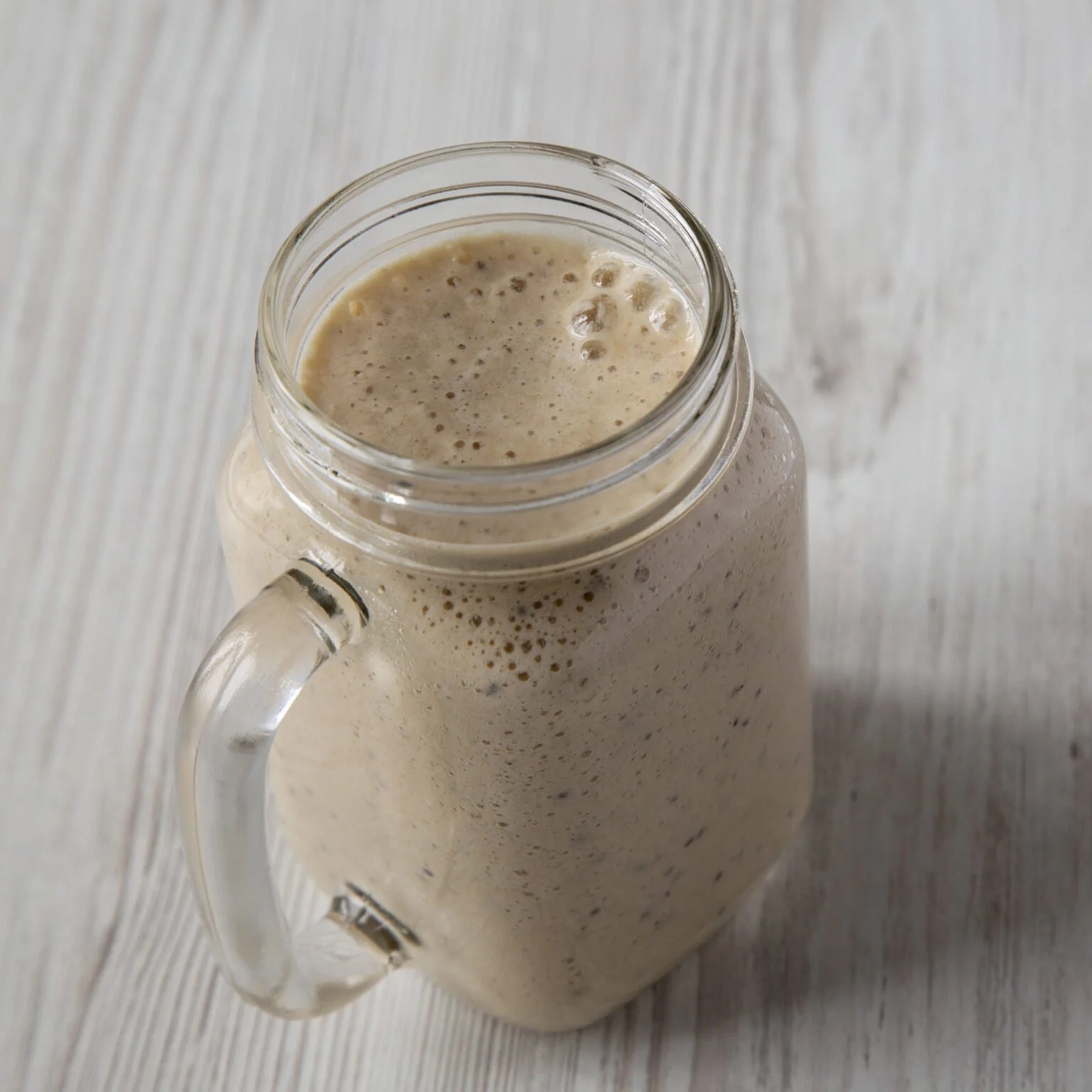
Smoothies with chia seeds and fruit (e.g. banana, kiwi, apple)
9. Don’t Forget Collagen
Collagen is an often-overlooked protein with unique benefits in midlife.
It supports:
Skin elasticity
Joint health
Bone density
Sources:
Bone broth
Collagen powder (add to coffee, tea, or smoothies)
Final Thoughts: Small Changes, Big Impact
Increasing your protein intake at each meal is one of the most effective ways to support your body through midlife.
By focusing on nutrient-dense, protein-rich foods, you can:
Maintain muscle mass
Support metabolism
Improve energy and overall health
Next time you plan your meals, think about where you can add protein—your body will thank you for it.
Join the Conversation
I hope you enjoy trying these ideas!
Feel free to share in the comments or on Instagram:
What’s your go-to high-protein meal or snack?